


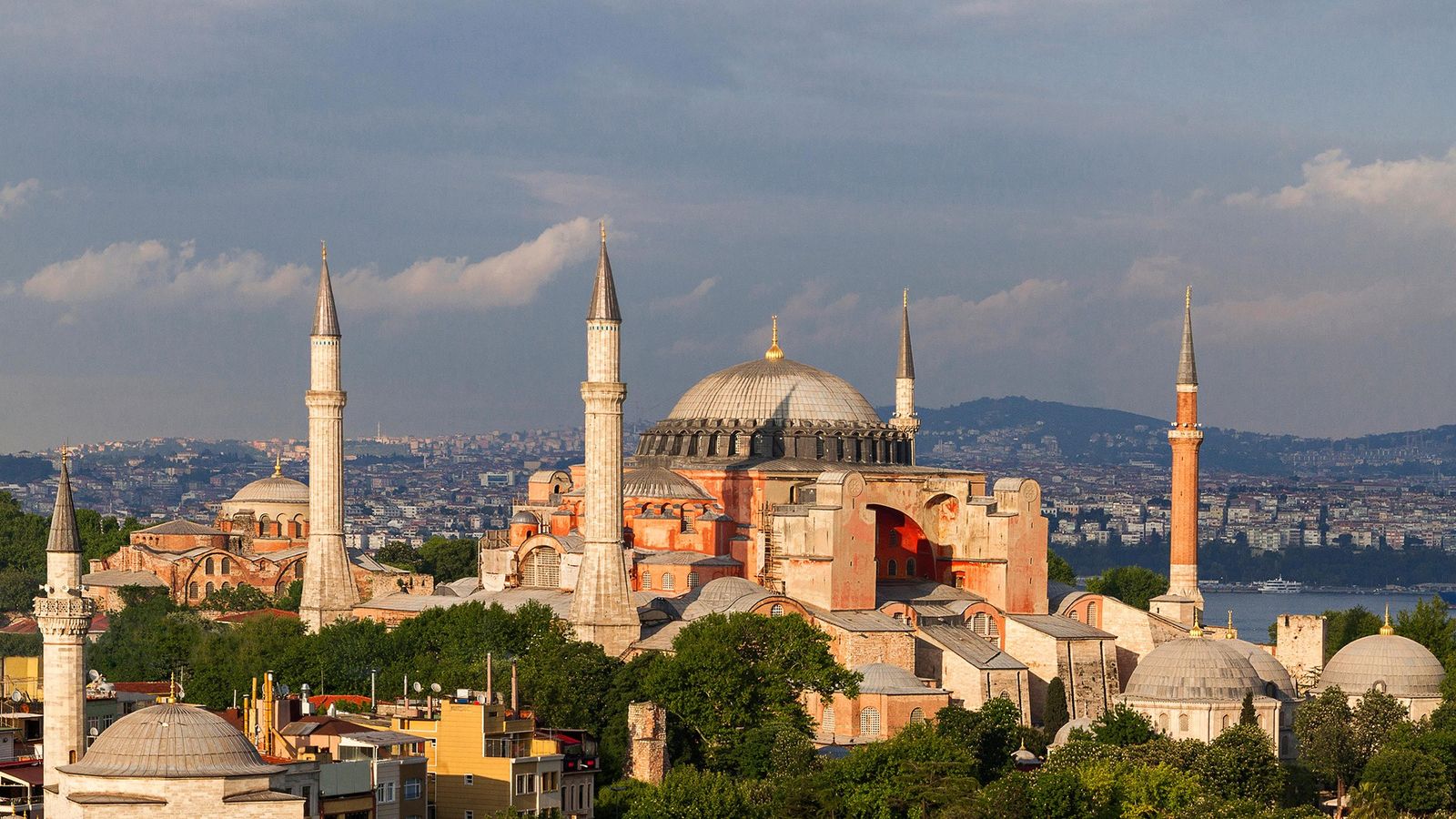
Image Source: National Geographic
The year 2023 is unique as the Easter celebrations happened during Ramadan amidst an unmatched heatwave that has gotten the nation grumbling. The heatwave, which broke records with temperatures above 40 degrees Celsius, led to power outages and water shortages in some areas making worship challenging for citizens in those areas. The occurrence of these events stimulated my thoughts on the importance of reflecting on the relationship between faith and the environment. Deliberating on the current state of the environment in Nigeria, there is need for the immediate deployment of innovative strategies to lessen the impacts of climate change, which includes heatwaves, flooding and food insecurity in Nigeria.
Linking faith and the environment is one of these strategies because religious advocacy can affect consumption patterns, attitudes toward the environment, and willingness to take action and even pay for climate change mitigation. For instance, the Uganda Muslim Supreme Council has set aside one Friday during Ramadan to celebrate and protect the environment using Islamic teachings. They call the Friday Greening Friday, and people come out in numbers to celebrate this event. In Nigeria, the two major religions, Christianity and Islam, emphasize the importance of caring for/protecting the environment and see it as a moral and religious obligation.
There are about a hundred verses in the Bible that talk about environmental protection. Genesis 2v15: “Then the Lord God took the man and placed him in the Garden of Eden to cultivate and keep it” is a call to be good stewards of God’s creation and to ensure that it remains healthy and sustainable for future generations. In Islam, wastage (excesses) is frowned upon and emphasis is put on the responsible use of natural resources and environmental protection. In surah Ar-Rum (30:41), Allah says: Evil has become rife on the land and at sea because of men’s deeds; this in order that He may cause them to have a taste of some of their deeds; perhaps they will turn back (from evil). Both religions encourage their followers to adopt sustainable practices.
However, the modern lifestyle of overconsumption that has led to higher demands for resources contradicts our religious teachings. As a result of our excessive consumption and generation of waste, we have contributed to climate change, the loss of biodiversity, and the degradation of natural ecosystems. These changes in the climate pose a significant threat to the health of both humans and the environment. To that end, there must be constant reminders through faith organizations/actors on our responsibility to restore the balance between humans and nature.
Religion plays a vital role in promoting eco-consciousness and instilling the values of preserving nature and its resources for future generations. A typical example of how we can use faith to promote environmental protection is through awareness raising. Recently, I listened to a tafsir (exegesis of the Quran) where the Imam highlighted how the dirty environment we keep breeds mosquitoes that harbor malaria. He cited the verses of the Quran and Hadith (sayings of prophet Muhammad SAW) that encourage Muslims to clean their environment and take care of their health. For instance, The Messenger of Allah ﷺ said, “Cleanliness is half of faith” which means that keeping our surroundings clean is not only good for our physical health but also our spiritual well-being; Christians also believe in the concept of cleanliness as an essential aspect of living a holy life. The Imam stressed the importance of proper drainage and waste disposal as they are the key components to preserving our environment and health in Nigeria-. The message was clear, and it resonates across all faiths and beliefs – we must be mindful of our environment and health.
Reduced energy use, adoption of environmentally friendly policies and practices, such as encouraging recycling, planting trees and climate-resilient agriculture, use of renewable energy sources, use of public transportation, and youth education are all necessary steps in the direction of environmental protection. It is time for us to embrace our religious teachings and adopt a sustainable lifestyle that aligns with the principles of our faith. Together, we can create a healthy and prosperous world for future generations.