


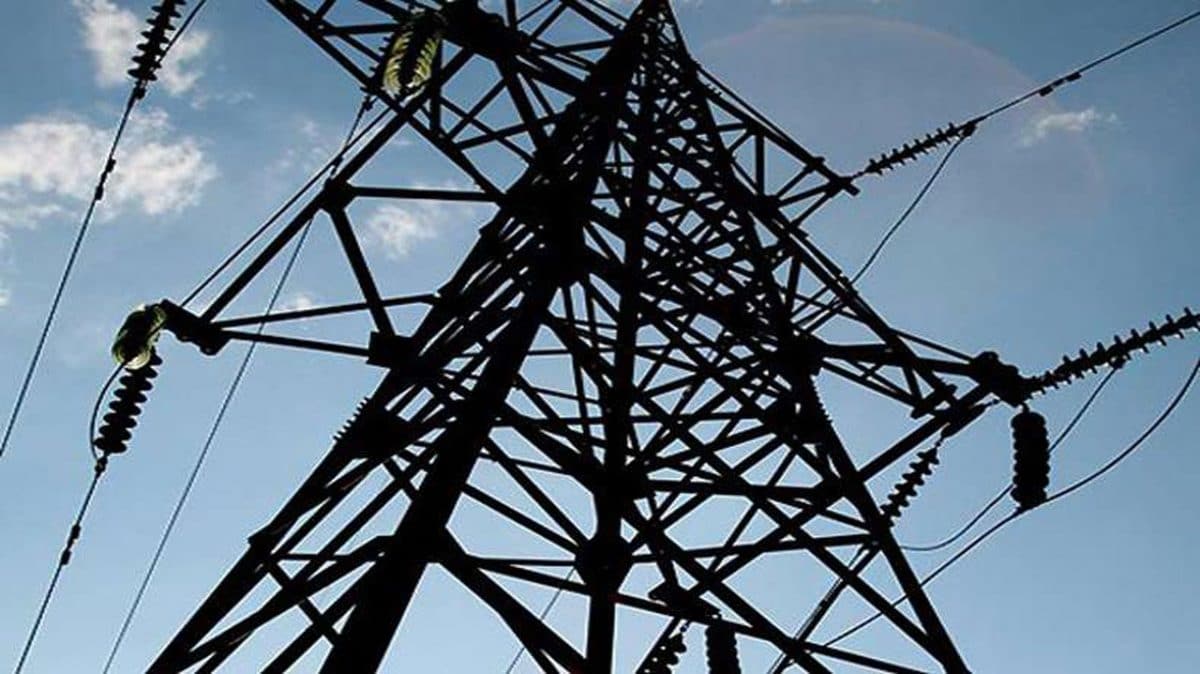
Nigeria has long struggled with inadequate electricity supply, with frequent blackouts and an estimated 47% of the population lacking access to the national grid. The constitutional amendment could be a significant step towards addressing these issues by allowing states to tailor their electricity generation and distribution strategies to better suit the needs of their respective populations. They could also contribute to the nation’s overall energy mix and help Nigeria achieve its goal of increasing electrification rates. This could lead to improved access to electricity for previously underserved populations, particularly in rural areas, and contribute to the country’s economic development.
Effects of the Constitutional Amendment
One of the most immediate effects of this constitutional amendment is the decentralization of the electricity sector. Previously, electricity generation, transmission, and distribution were the exclusive responsibilities of the federal government, with the Nigerian Electricity Regulatory Commission (NERC) overseeing the industry. Now, state governments will have the legal authority to participate in these processes, thereby increasing competition and potentially leading to more efficient and reliable electricity services. Decentralization could also encourage investment from private sector players, both domestic and international, as they recognize the potential for growth within the newly opened market. The increased competition may lead to innovative solutions for power generation, transmission, and distribution, ultimately driving down costs for consumers and businesses alike.
The constitutional amendment could benefit the environment as well as energy access. As states explore alternative energy sources, they could increase the focus on renewables, helping Nigeria achieve climate and sustainability goals. As states begin to explore alternative energy sources, there is the potential for an increased focus on renewable energy, such as solar, wind, and hydroelectric power. This could help Nigeria achieve its commitments under the Paris Agreement and reduce its reliance on fossil fuels, which currently account for the majority of its energy production. The greater adoption of renewable energy solutions could boost electrification rates, especially in underserved rural areas. This, in turn, could support economic and social development.
The involvement of utilities owned by state governments in Nigeria’s electricity market could reduce the burden on the national grid, which is currently overburdened and struggling to meet the electricity demands of the country. Additionally, state-owned utilities may prioritize the provision of electricity to their own states, thereby reducing the need to transmit electricity over long distances, which contributes to transmission losses and inefficiencies.
Challenges and Outlook
While the constitutional amendment is a significant step towards reforming Nigeria’s electricity sector, several challenges remain. The entry of state governments into the electricity market in Nigeria could lead to a fragmentation of the national grid. With state-owned utilities prioritizing their own states, leading to an imbalance in electricity distribution across the country, lack of coordination between state governments and the national grid, leading to transmission inefficiencies, and the creation of regional electricity markets with varying regulations and prices leading to difficulties in managing and coordinating electricity supply.
In addition, the regulation of the electricity market could become more complex due to the emergence of different regulatory bodies that may lack coordination or have different regulations and standards. This could lead to conflicts, regulatory arbitrage, and market inefficiencies. For example, the amendment would likely impact captive generation. State-owned utilities may compete with captive generators by offering better rates and services, potentially making captive generation less viable in some areas. Moreover, the regulation for captive generation may also become more complex due to the involvement of state governments in the electricity market. State governments will have the responsibility to regulate and oversee the generation of electricity within their states, which may result in different regulatory requirements and standards for captive generators. This could create challenges for captive generators, who may have to comply with multiple sets of regulations and standards, depending on the state in which they operate.
The financing of new power infrastructure is another critical challenge for the success of the constitutional amendment allowing state governments to generate, transmit, and distribute electricity in Nigeria. Substantial investments from both the public and private sectors will be required. The private sector might be hesitant to invest in a nascent market with high risks and uncertainties.
Additionally, the success of this reform will largely depend on the capacity of state governments to effectively manage the generation, transmission, and distribution of electricity, which may require significant technical and institutional support.
The policy also brings uncertainties that will need to be managed. It is unclear how states will coordinate with the national utility and grid operator or how costs and revenues will be shared. Without careful planning, states’ efforts could duplicate existing work or create inefficiencies. States will also need significant funding and technical skills to build and maintain their own electricity infrastructure. Nigeria’s success in leveraging this reform will depend on governments’ commitment and capacity to strengthen the sector. The federal government also needs to establish clear regulations and standards for the electricity market and ensure that state-owned utilities are coordinated with the national grid.
Conclusion
While the constitutional amendment alone will not solve Nigeria’s electricity challenges, it could be an important step toward a stronger electricity sector and cleaner energy future. It has the potential to bring about increased competition, improved access, and a more sustainable energy future.
With strong coordination across state and federal governments, states could help expand electrification more quickly. But frameworks will be needed to ensure a reliable, sustainable system in the long term. As Nigeria implements this new law, details on coordination, planning, and governance will be key to realizing the reform’s potential benefits. As the country moves towards implementing this new law, the world will be watching closely to see the transformative impact it could have on Africa’s most populous nation.
Precious Esogbue is Junior Associate Energy Access at Clean Technology Hub.